What is HTML For Software Engineering ?

The standard markup language used to create and design the structure of web pages is HTML, or HyperText Markup Language. It is a foundational technology for creating websites, and it is frequently used in concert with other technologies such as Cascading Style Sheets (CSS) and JavaScript to produce dynamic and visually appealing web pages.
HTML offers a collection of components or tags that describe various portions of a web page, such as headers, paragraphs, links, pictures, lists, and more. Each HTML tag is made up of three parts: the opening tag, the content, and the closing tag. Here's an example:
What is XML?
Extensible Markup Language, or XML, is a markup language that establishes a set of guidelines for encoding texts in a way that is legible by both computers and humans. XML is a data transit and storing standard that offers a hierarchical and self-descriptive information structure. These are some of the main characteristics of XML:.....
What is SEO ?

SEO is an abbreviation for search engine optimization. SEO practitioners optimize websites, web pages, and content in order to rank better in search engines such as Google. SEO is a collection of strategies that aim to increase the visibility, placement, and usability of various forms of content in organic search results. Web pages, video media, photos, local company listings, and other assets can all be included in this content. Because organic search is the most popular way for people to discover and access online material, implementing SEO best practices is critical for ensuring that the digital content you create is found and selected by the public, improving your website's organic traffic....
What is 404 error ?
A 404 error is an HTTP status code that indicates that the server did not find the requested webpage. When you visit a website, your browser sends a request to the server for a specific page. If the server cannot locate the requested page, it responds with a 404 status code, indicating that the page is not found......
What is IP Address and IPv4 & IPv6 ?
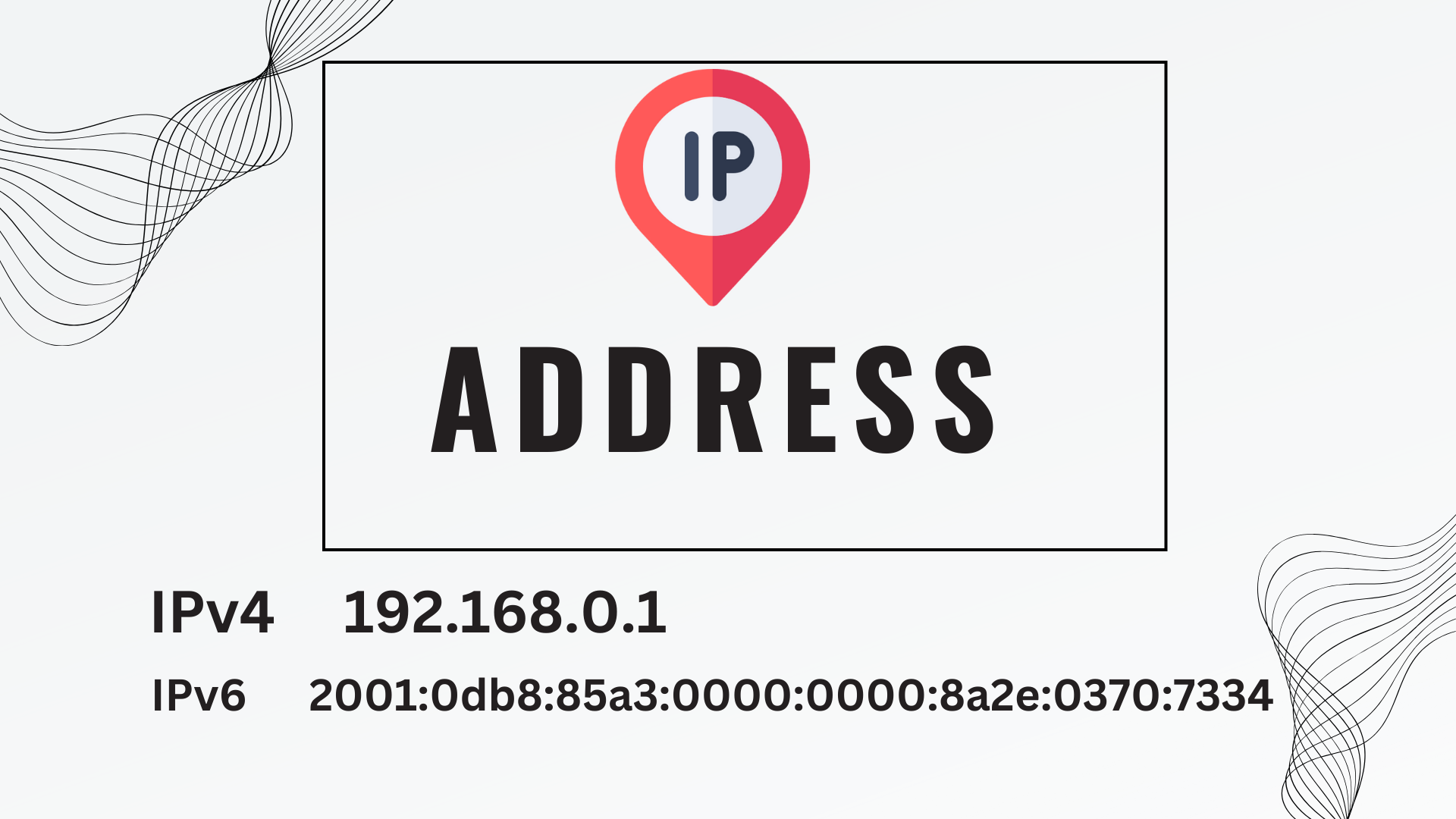
An IP address, or Internet Protocol address, is a numerical label assigned to each device connected to a computer network that uses the Internet Protocol for communication. It serves two main purposes: host or network interface identification and location addressing. IP addresses are essential for routing data packets between devices on a network. There are two main types of IP add.........